Polynesian & Filipino Tribal Tattoo Meanings | Toronto Guide
The Rich History of Polynesian Tattoos (Tatau)
Polynesian tattoos—often called tatau—are deeply connected to the identity of Polynesian cultures across the islands. Traditionally, these tattoos were not “just designs.” They carried meaning tied to a person’s family lineage, social role, life achievements, and protection. Every pattern had a purpose, and many symbols were passed down through generations.
In traditional practice, receiving a Polynesian tattoo was treated with respect because it marked important transitions in life. Tattooing was done by experienced artists using hand tools crafted from natural materials, and the process itself was considered a significant commitment—mentally, physically, and spiritually.
Today, Polynesian-inspired tattoos are still chosen for both their powerful look and deeper symbolism. Modern artists may adapt these ideas for today’s clients—while keeping the core principles intact: flow, balance, structure, and meaning. When done properly, Polynesian-style tribal tattoos are built to fit the body—not copied and pasted.
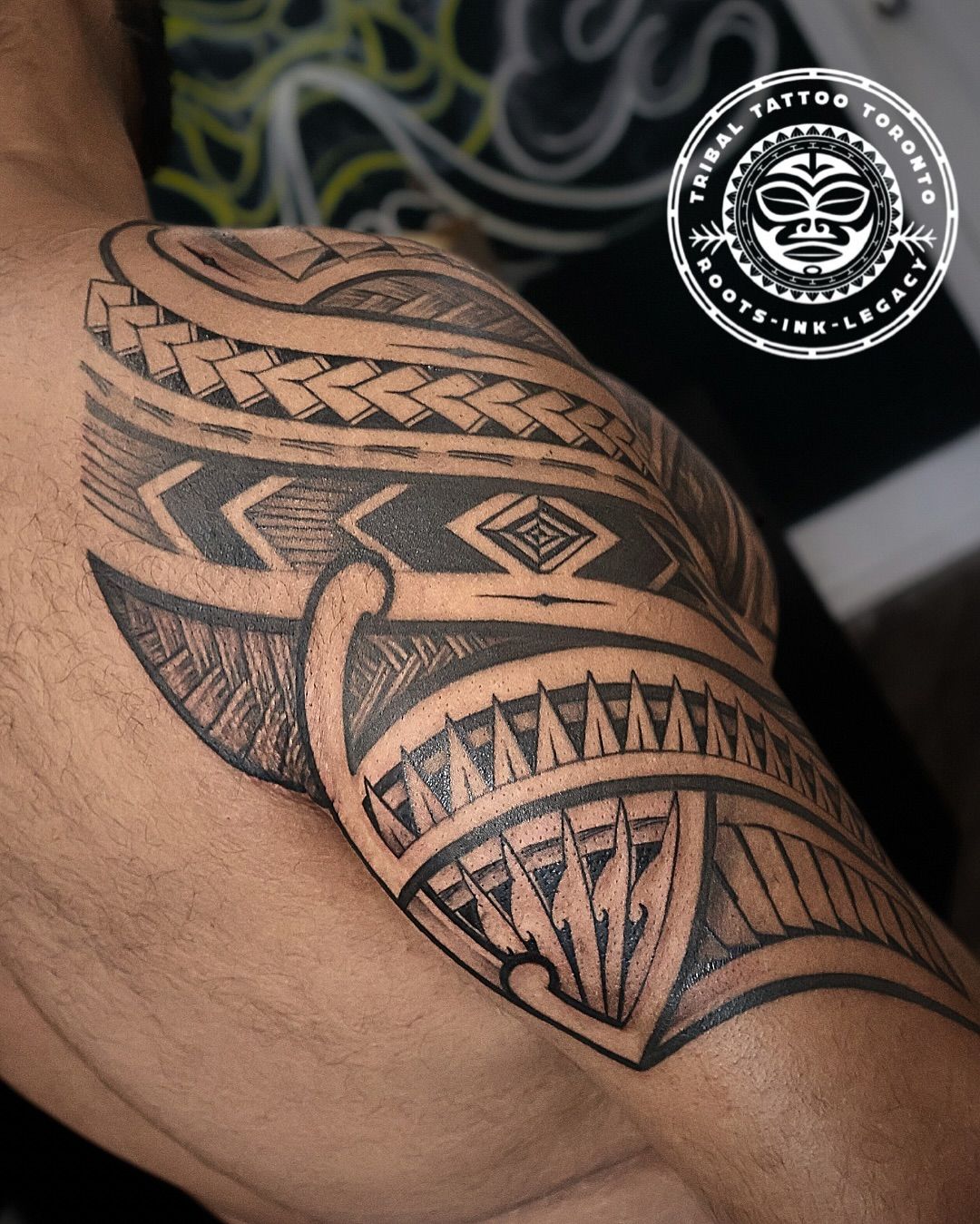
Filipino Tribal Tattoos (Batok): A Legacy of Valor
In the Philippines, traditional tribal tattooing is often referred to as batok. Historically, these tattoos were strongly tied to courage, protection, and personal honor, especially among warrior traditions. Designs commonly reflected nature, ancestral stories, and community identity, and each region or tribe developed styles that were distinct and recognizable.
For example, the Kalinga tradition is known for bold, structured patterns—often geometric and rhythmic. Other indigenous groups use different forms, symbols, and placements based on their own histories and beliefs. This is why Filipino tribal tattoos are not “one style”—they are many traditions with different meanings.
In recent years, Filipino tribal tattoo interest has grown again, especially among younger generations and Filipinos living abroad. Many choose these designs to honor heritage, reconnect with roots, or represent identity in a modern way. This revival has also increased awareness around preserving traditional techniques and understanding the cultural importance behind the art.
Modern Trends in Tribal Tattoos
As tribal tattoo styles became popular worldwide, modern interpretations started to evolve. Many artists now create custom tribal designs that blend inspiration from multiple traditions or focus more on clean blackwork, symmetry, negative space, and bold flow.
People are often drawn to tribal tattoos because they can represent:
- Strength and resilience
- Protection
- Discipline and growth
- Connection to nature
- Identity and personal milestones
Even with modern adaptations, the best approach is always respect-first: understand where inspiration comes from, avoid copying sacred or culturally-specific symbols without context, and work with an artist who knows how to create a design that fits your body and your intent.
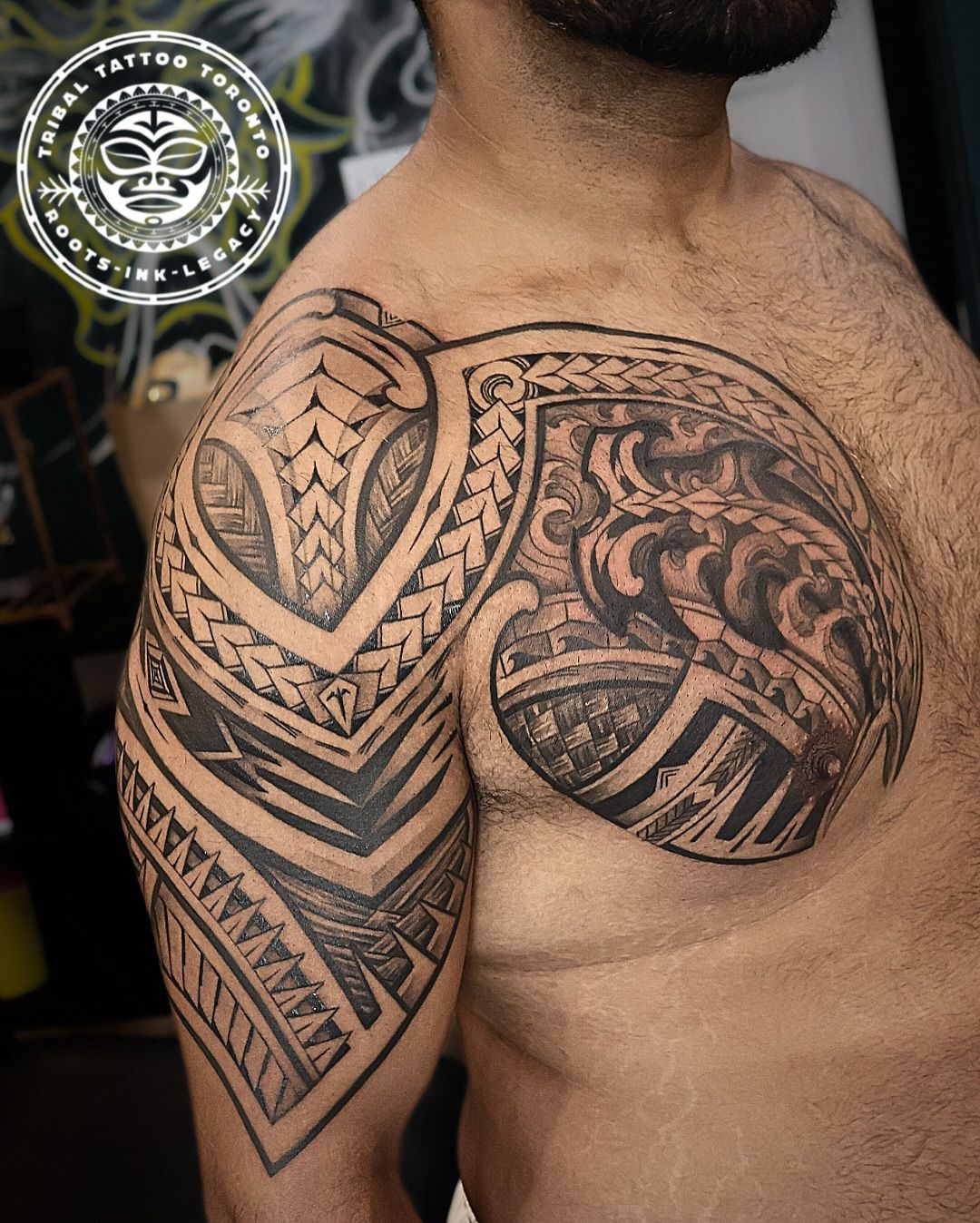
Choosing the Right Design
Choosing a tribal tattoo should feel personal—because the best tribal work looks like it belongs to you.
Before you commit, it helps to:
- Research the cultural background of the style you’re drawn to
- Understand the symbolism behind the patterns you like
- Think about what it represents (heritage, strength, transition, protection, identity)
- Plan placement and flow so it matches your body shape
Quick Checklist
- Work with an artist who specializes in tribal tattoos
- Choose a design with clear meaning (or clear design purpose)
- Make sure the tattoo flows with your body—not against it
- When you take these steps, your tattoo becomes more than good-looking ink—it becomes a piece you’ll be proud to wear for life.